

Importer Of Record Egypt – IOR Services
Delivered Duty Paid (DDP)
Delivered Duty Paid (DDP)
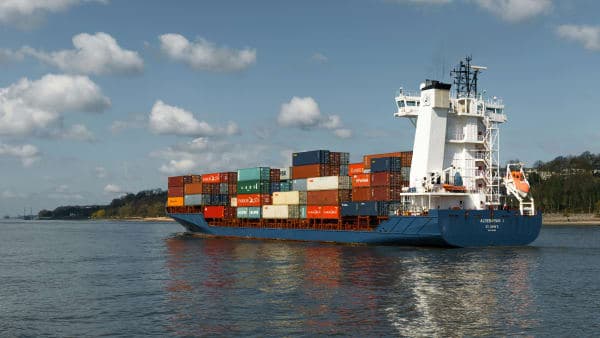
Are you planning to import goods into Egypt but feel overwhelmed by complex regulations? You’re not alone. Many companies struggle with customs rules, taxes, and sector-specific restrictions. That’s where Importer of Record (IOR) services in Egypt provide the solution. By partnering with a trusted compliance provider, businesses can secure smooth customs clearance, avoid penalties, and focus on growth.
Egypt’s customs environment involves multiple authorities, strict documentation requirements, and industry-specific approvals. Non-compliance can result in shipment delays, heavy fines, or even confiscation.
Regulatory Expertise
Ensuring goods meet Egyptian laws and standards.
Document management
Handling invoices, packing lists, and certificates of origin.
Risk Reduction
Minimizing costly errors during customs clearance.
Operational Efficiency
Freeing your team to focus on core business.
Before shipping goods to Egypt, businesses must be aware of several critical factors that influence both cost and compliance. These considerations shape how smoothly your imports move through customs:
Customs duties can reach up to 20% depending on the product, plus a standard 14% VAT. Correct duty calculation is critical to control landed costs.
Air freight provides faster delivery, while sea freight is cost-effective but slower. Accurate forecasting and planning prevent supply chain disruptions.
Certain categories — including firearms, narcotics, and regulated foods — are either prohibited or require special approvals.
Commercial invoices, packing lists, and certificates of origin are essential for clearance. Missing or inaccurate documents will delay the process.
IT and telecom imports must comply with EOS (Egyptian Organization for Standardization) requirements and secure approvals from authorities like NTRA (National Telecommunications Regulatory Authority) and GOEIC (General Organization for Export and Import Control). Bilingual labeling in Arabic and English is also mandatory.
To find your Importer of Record (IOR) number in Egypt, visit the Egyptian Customs Authority portal, where importers can register, manage documentation, and track customs declarations.
Now that we clearly understand the Exporter of Record definition, let’s explore when EOR services are required:
If your business is engaged in cross-border trade, an EOR is necessary to act as the legal entity responsible for the shipment. The EOR ensures that all export regulations, including licenses, documentation, and customs procedures, are met—especially if you lack a physical presence in the destination country. By handling these responsibilities, the EOR guarantees that your exports adhere to all relevant laws.
If your company does not have a registered office or legal entity in the destination country, a 3rd party exporter of record (EOR) is required to manage the export process. The EOR assumes the role of the legal exporter, ensuring compliance with the destination country’s regulations, including import rules, and handling the necessary customs processes on your behalf.
